Paint Correction
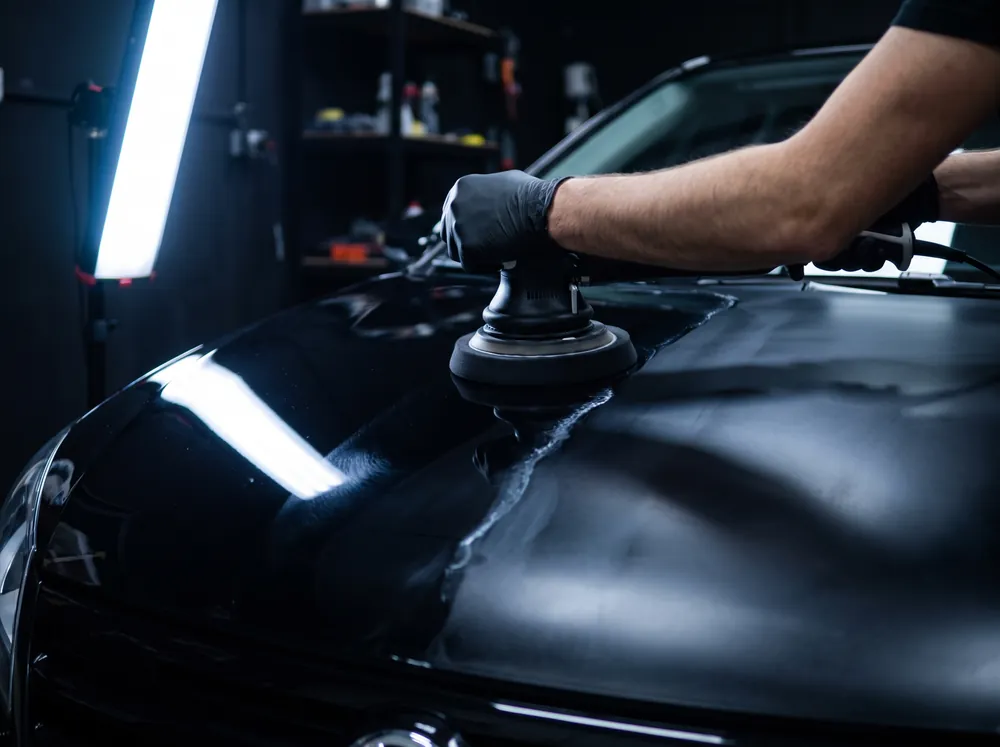
Swirls, holograms and etching machined out before anything is sealed on top.
Detailing & Correction
Correction, Decontamination & Detail
Multi-stage paint correction, decontamination, clay treatment and full interior and exterior detailing — measured with a depth gauge, not guessed.
In practice
Searches this page answers
Correction is not polishing until it looks better. Clear coat is finite, it is typically well under 100 microns thick on a modern car, and every pass removes some of it permanently. We measure with a paint depth gauge before we cut, work to the least aggressive combination that clears the defect, and stop where continuing would compromise the panel. Where a defect cannot be safely removed we tell you rather than chase it.
Decontamination comes first: an iron fallout treatment to dissolve the embedded brake and rail dust that makes light-coloured cars look orange up close, then a clay treatment to pull out what chemistry cannot reach. Skip this and you are grinding contaminants across the paint with a polishing pad.
Full detailing, interior work, engine bay presentation and headlight restoration are done to the same standard — and for commercial and fleet vehicles, on a schedule built around your uptime rather than ours.
Paint correction
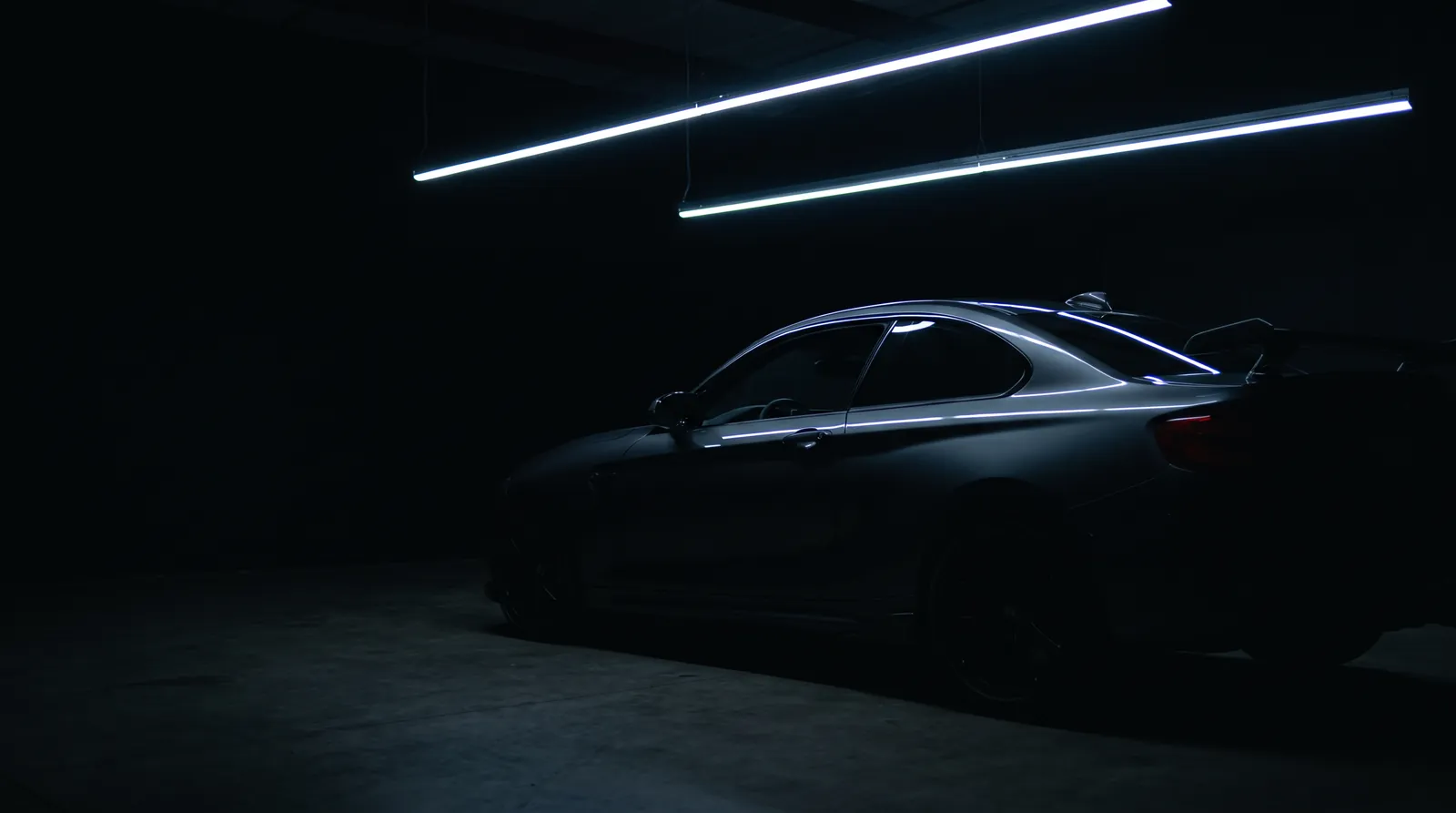
Correction is judged under a raking inspection light, because that is the only condition where swirls and holograms are visible. Drag the divider across the bonnet.
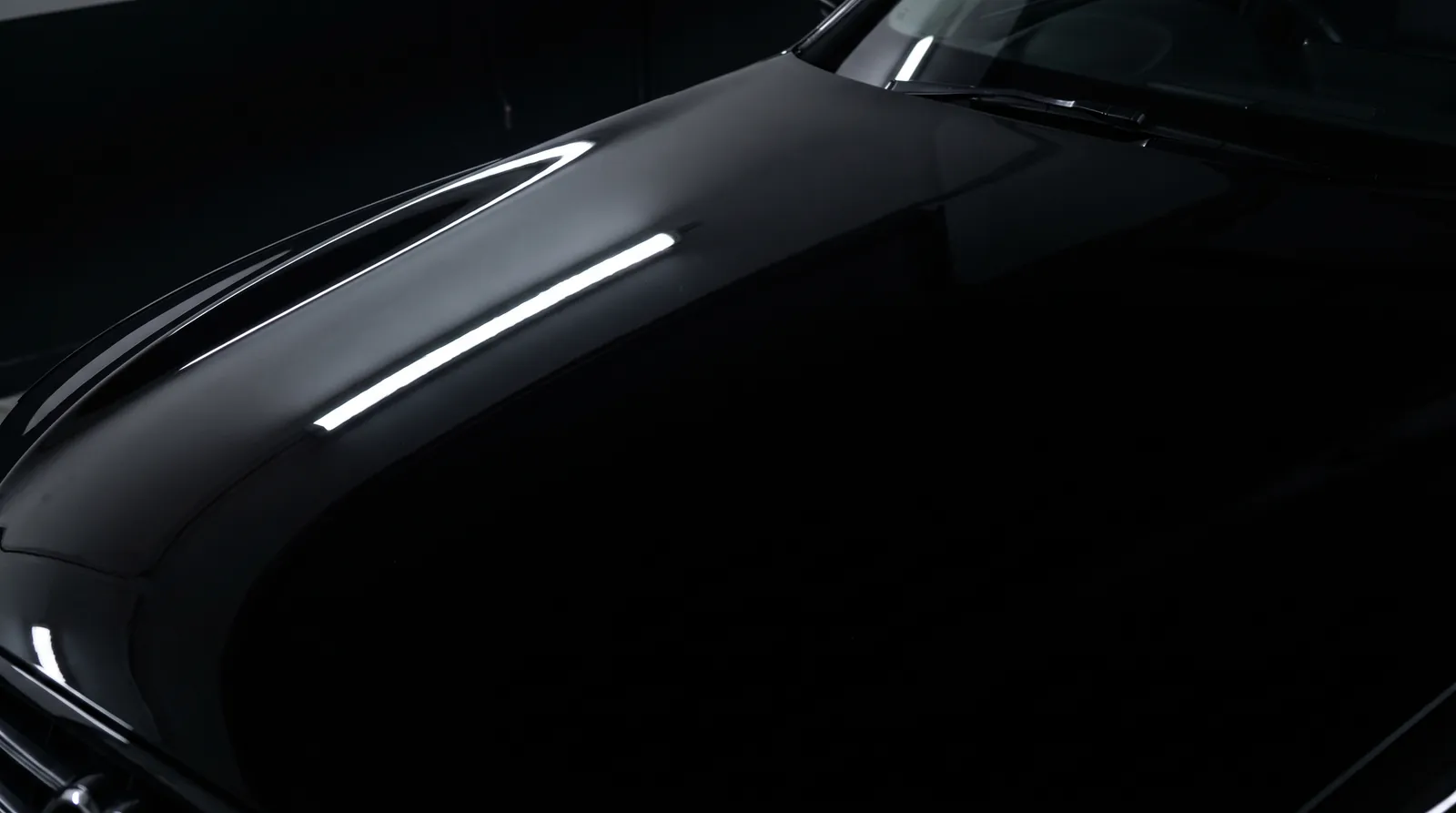
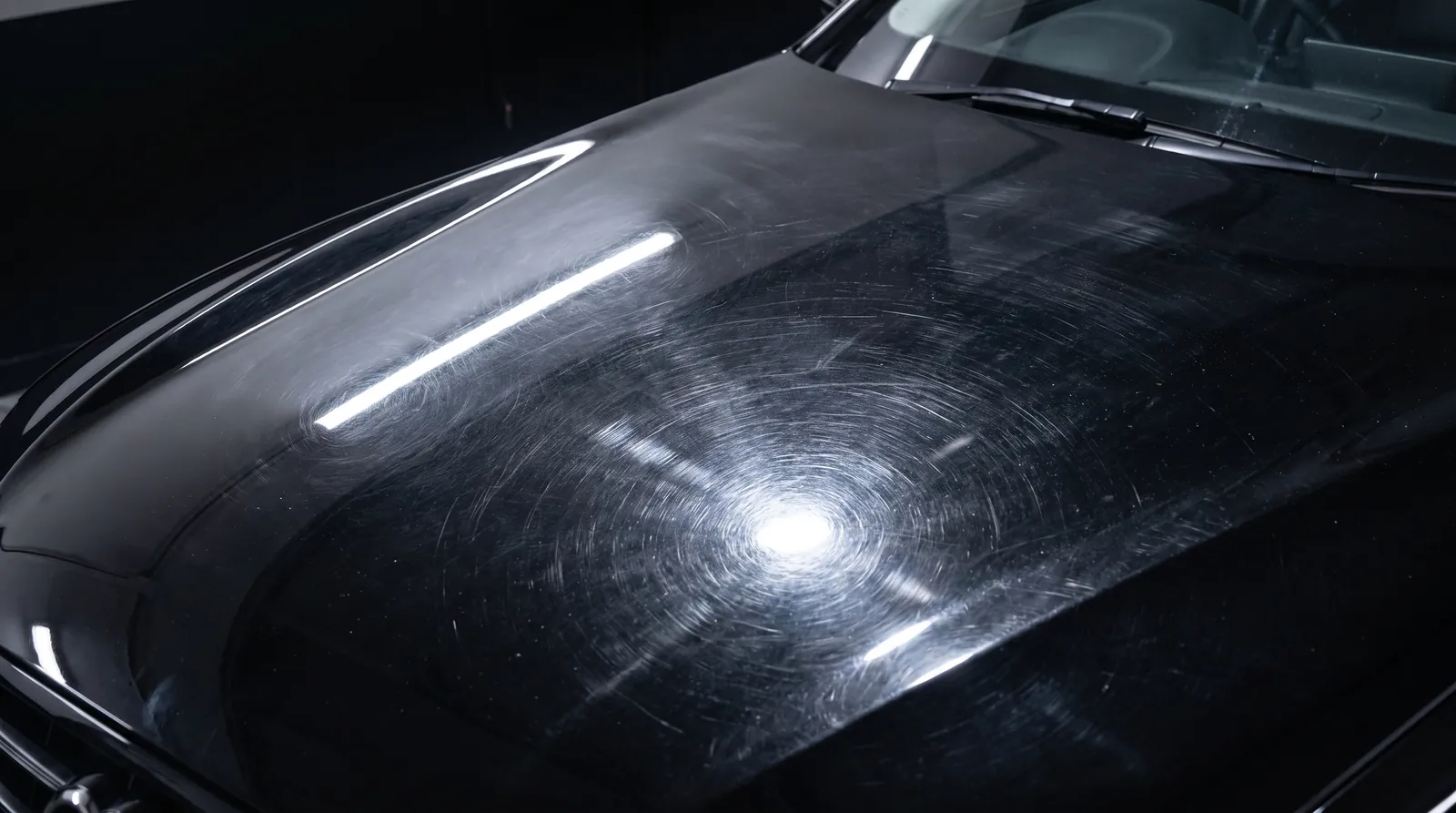
Illustrative of the defect type and the lighting used to judge it, not a photograph of a specific customer's vehicle. How much of a defect can be safely removed depends on how much clear coat is actually there, which we measure before we cut.
Included in this discipline
Swirls, holograms and etching machined out before anything is sealed on top.
Detailing & Correction
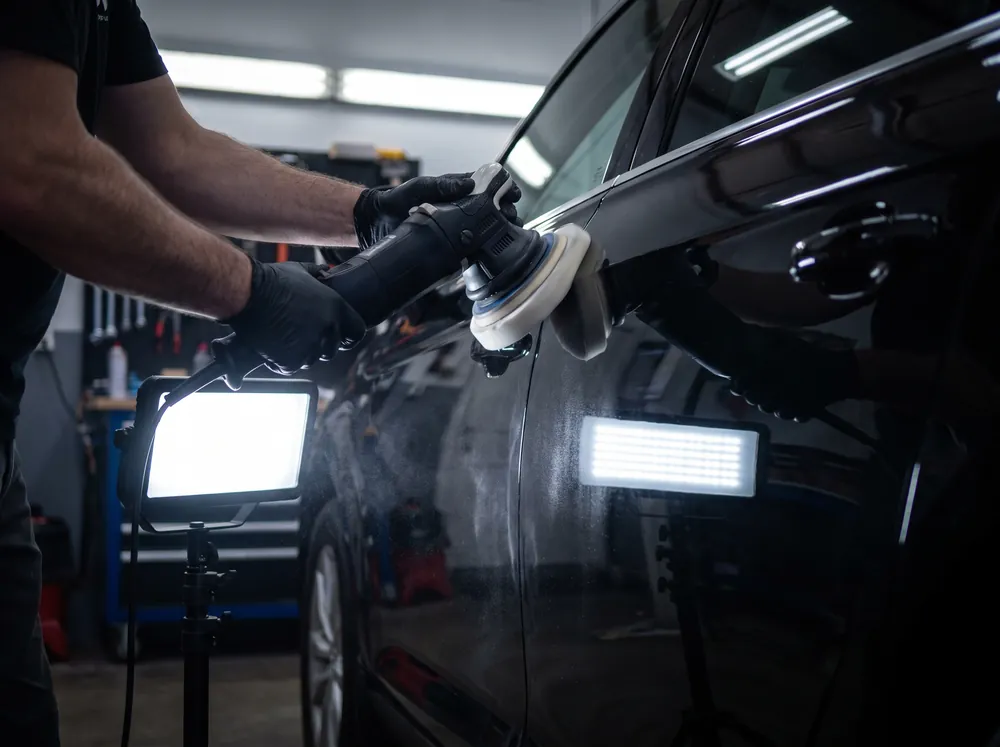
Single- through three-stage polishing, measured with a paint depth gauge.
Detailing & Correction
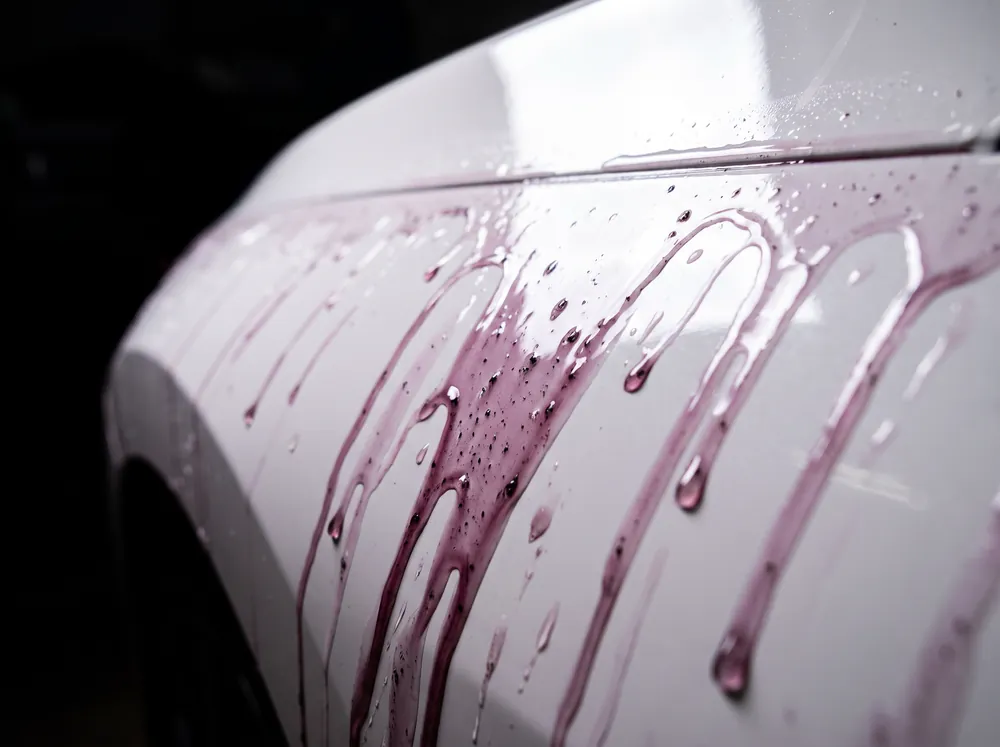
Chemical and mechanical decontamination — the step that makes coatings bond.
Detailing & Correction
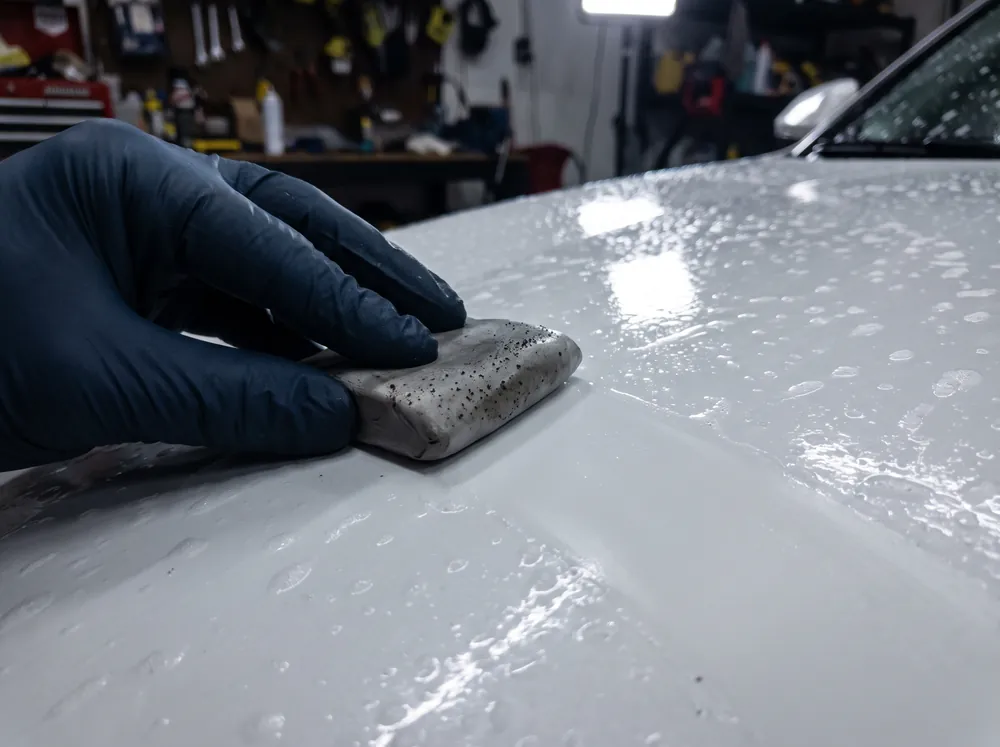
Bonded contaminants pulled out of the clear coat before correction begins.
Detailing & Correction
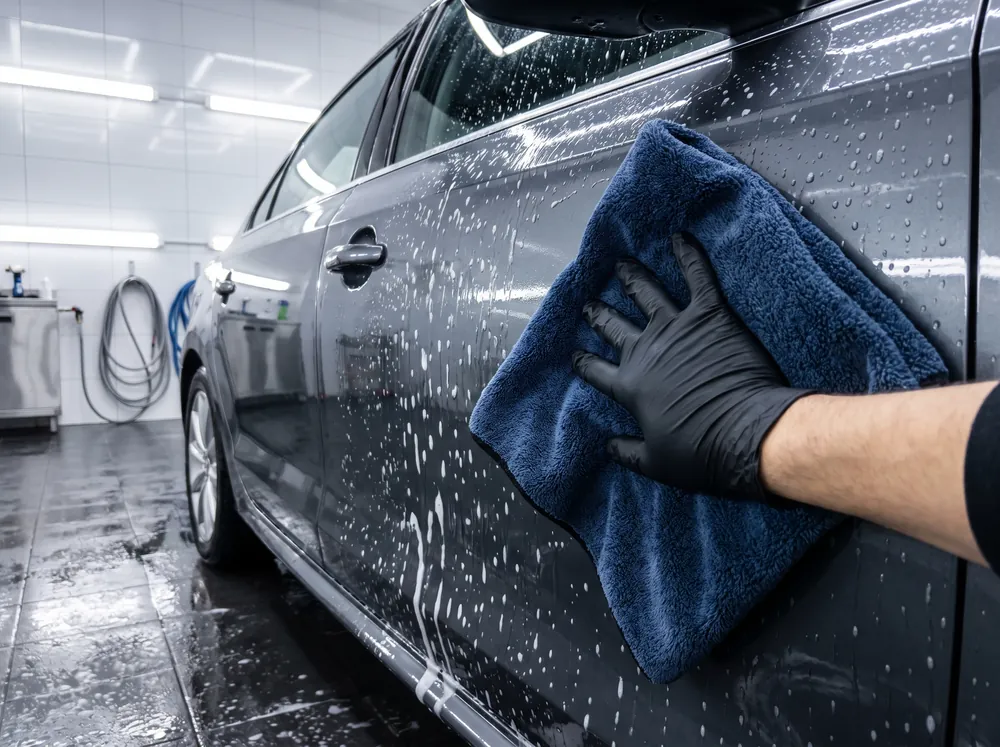
A full interior and exterior detail, executed to preservation-centre standards.
Detailing & Correction
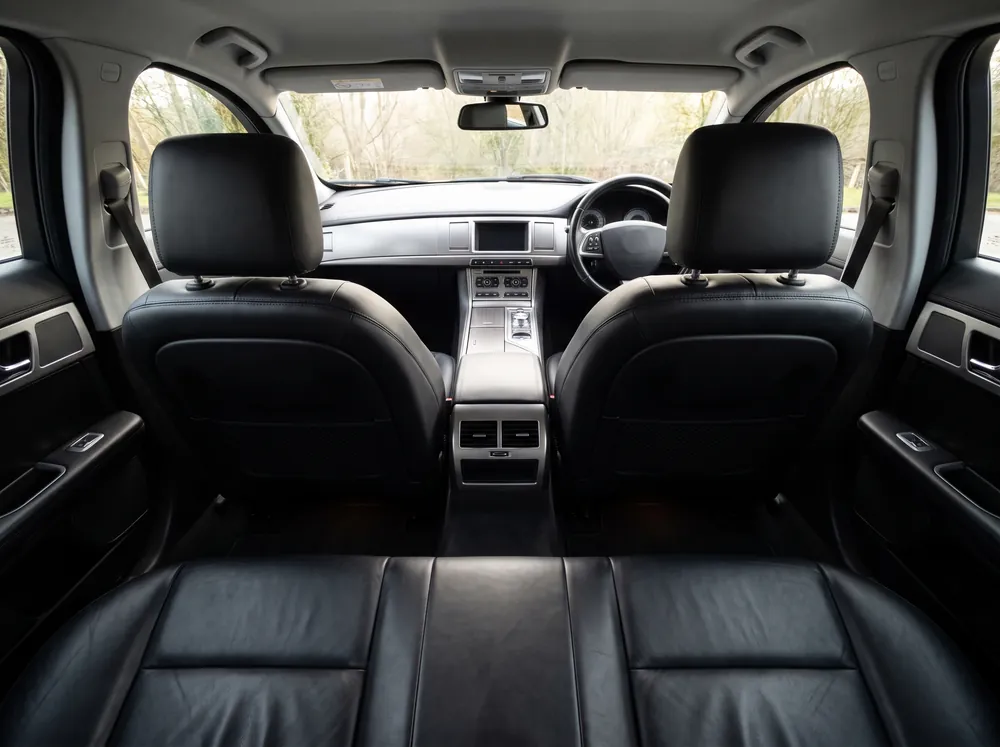
Deep-cleaned and conditioned cabins, from headliner to seat rails.
Detailing & Correction
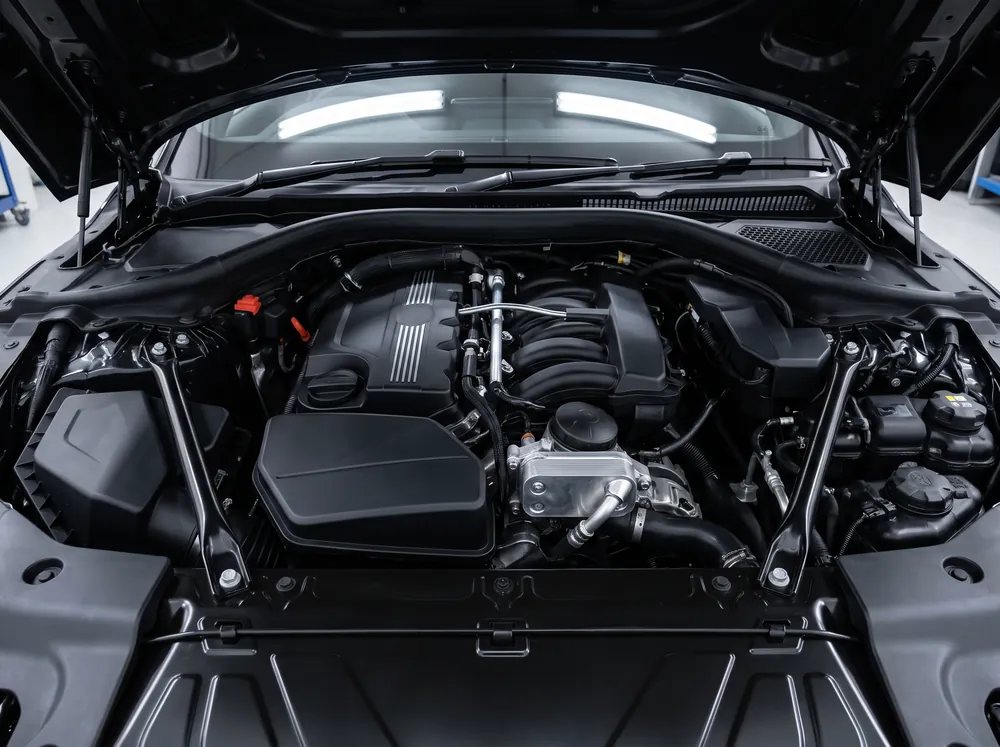
Cleaned, dressed and finished so the bay matches the rest of the car.
Detailing & Correction
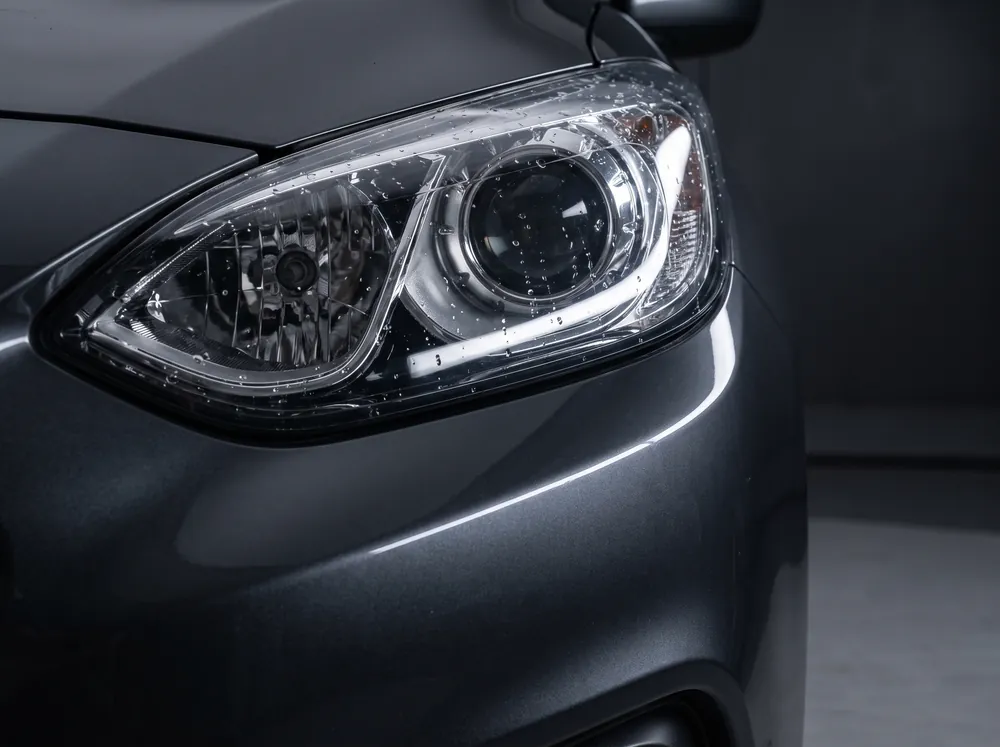
Oxidised lenses cut back to clear, then sealed so they stay that way.
Detailing & Correction
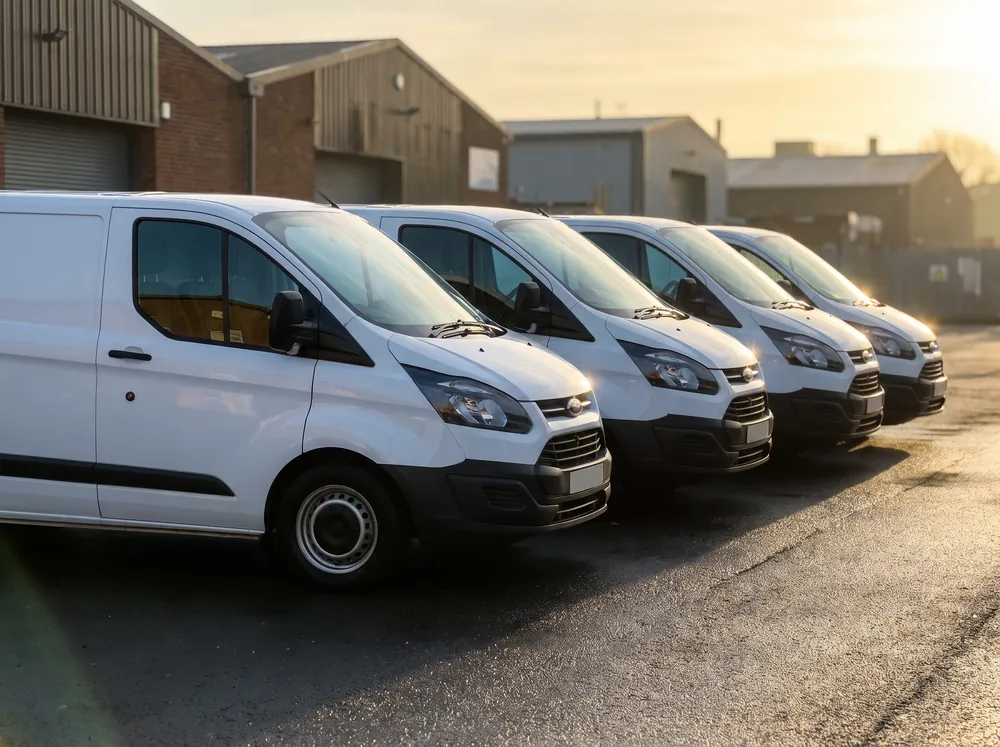
Presentation standards for vehicles that carry your branding.
Detailing & Correction
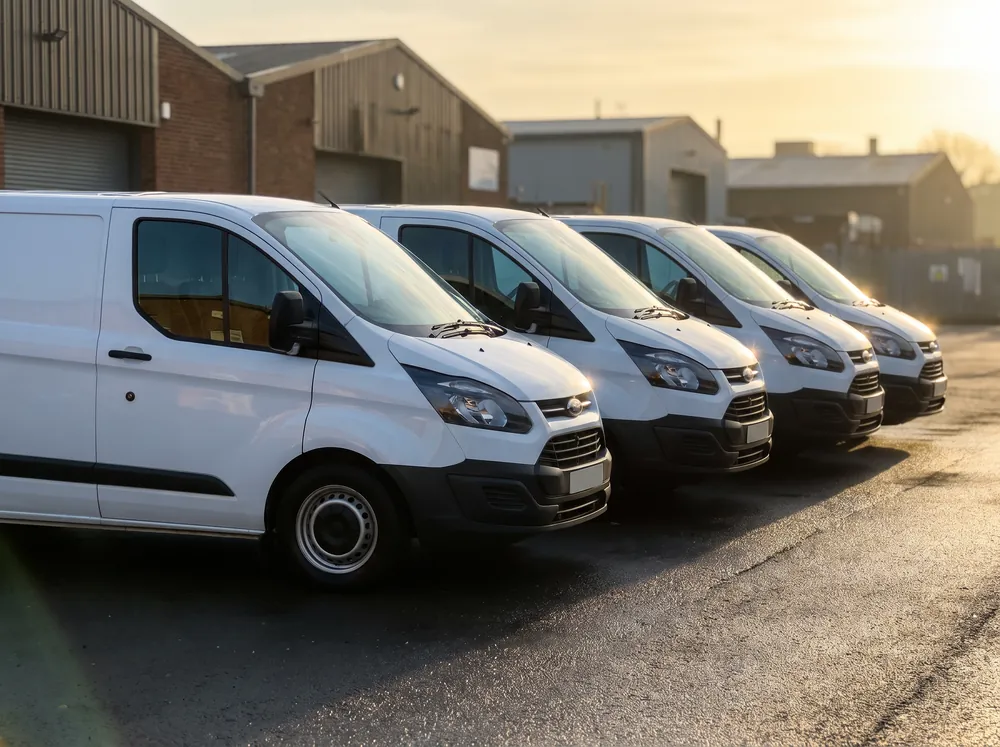
Scheduled fleet programmes, priced and planned around your uptime.
Detailing & Correction
Questions
The specifics people ask about this discipline in particular. The general questions live on the FAQ page.
It is the number of passes with progressively finer abrasives. A single stage refines light marring and lifts gloss. Two stages cut a defect out then refine the haze the cutting leaves behind. Three stages add a final jewelling pass for maximum clarity on dark paint. More stages means more clear coat removed, so the right answer is the fewest that clears your defects.
Because clear coat is a consumable you cannot top up. A depth gauge tells us how much is actually there — which varies panel to panel, and drops sharply on a car that has been resprayed or polished hard before. Correcting blind is how installers burn through an edge. We would rather leave a defect in than take a panel to bare primer.
The preparation needed for the product to bond and perform is included. Full multi-stage correction on a car with significant existing defects is quoted separately, because the amount of work is set by the condition of your paint, not by the product going on top of it. We assess and tell you which you need before quoting.
Almost always restored. The haze is UV degradation of the polycarbonate surface, not damage through the lens, so it sands and polishes back to clear. The part that matters is what happens next: an unsealed restored lens will yellow again within a year, so we seal it with a UV-stable coating or protective film.
Yes, on a scheduled programme. Branded vehicles are moving advertising and they age fast in Gauteng sun, so fleet work is usually a recurring cycle with an agreed standard and turnaround rather than a one-off detail. Tell us the fleet size and how the vehicles are used and we will build the schedule around your uptime.
the workshop is in Beyers Park
roughly fifteen minutes east on the N12
about twenty minutes via the R23 or N17
roughly twenty minutes down the R21
about twenty-five minutes via the R24 or N12
roughly twenty-five minutes on the N12
about twenty minutes on the N12
Get a number
Tell us the make, model and year, how the car is used, and what you want it to still look like in five years. We will come back with coverage, a warranty term and a price — not a package.
76 North Road · Beyers Park, Boksburg · Gauteng, 1459