XPEL Window Tint
Nano-ceramic film that rejects heat and UV without blocking your signal.
Window Film & Security
XPEL PRIME & Safety Film
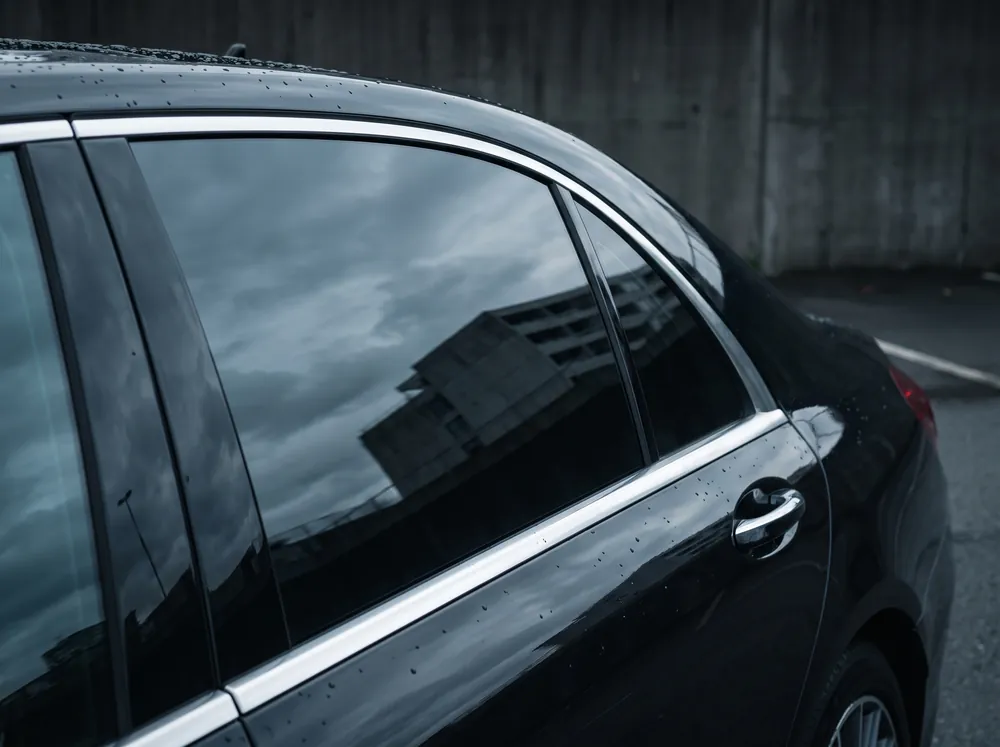
Nano-ceramic XPEL window film that rejects heat and UV without killing your reception, plus smash-and-grab safety film sized for South African roads.
In practice
Searches this page answers
Cheap dyed tint does one thing: it makes the glass darker. Nano-ceramic film does the job people actually buy tint for — it rejects infrared heat so the cabin loads more slowly and the air conditioning works less, blocks effectively all UV so your dashboard and upholstery do not bake, and cuts glare without going near-black. Because it contains no metal, it does not interfere with GPS, mobile signal, keyless entry or tyre pressure sensors the way metallised films do.
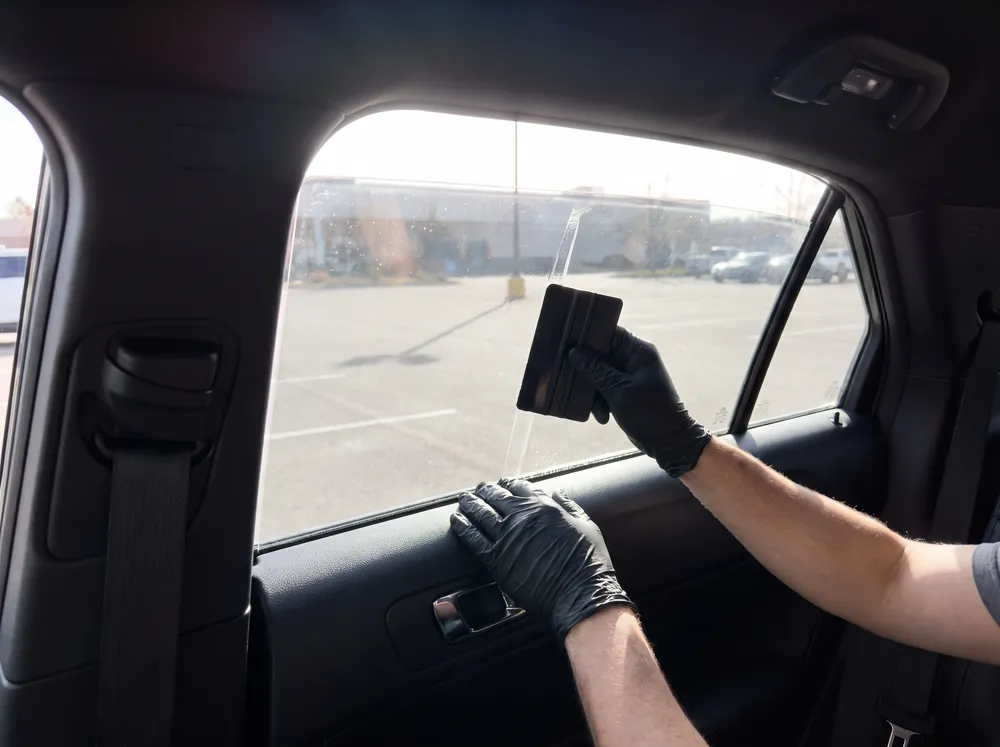
Safety and smash-and-grab film is a separate product with a separate purpose. It is a thick, clear, structural layer bonded to the inside of the glass that holds the pane together when it is struck. It does not make a window impenetrable and nobody should sell it that way — what it does is turn an instant, silent smash into a noisy, repeated, time-consuming one, which is usually enough.
The same window films are available for home and office glazing, where heat load, fade and glass safety are the same three problems in a different frame.
Tint simulator
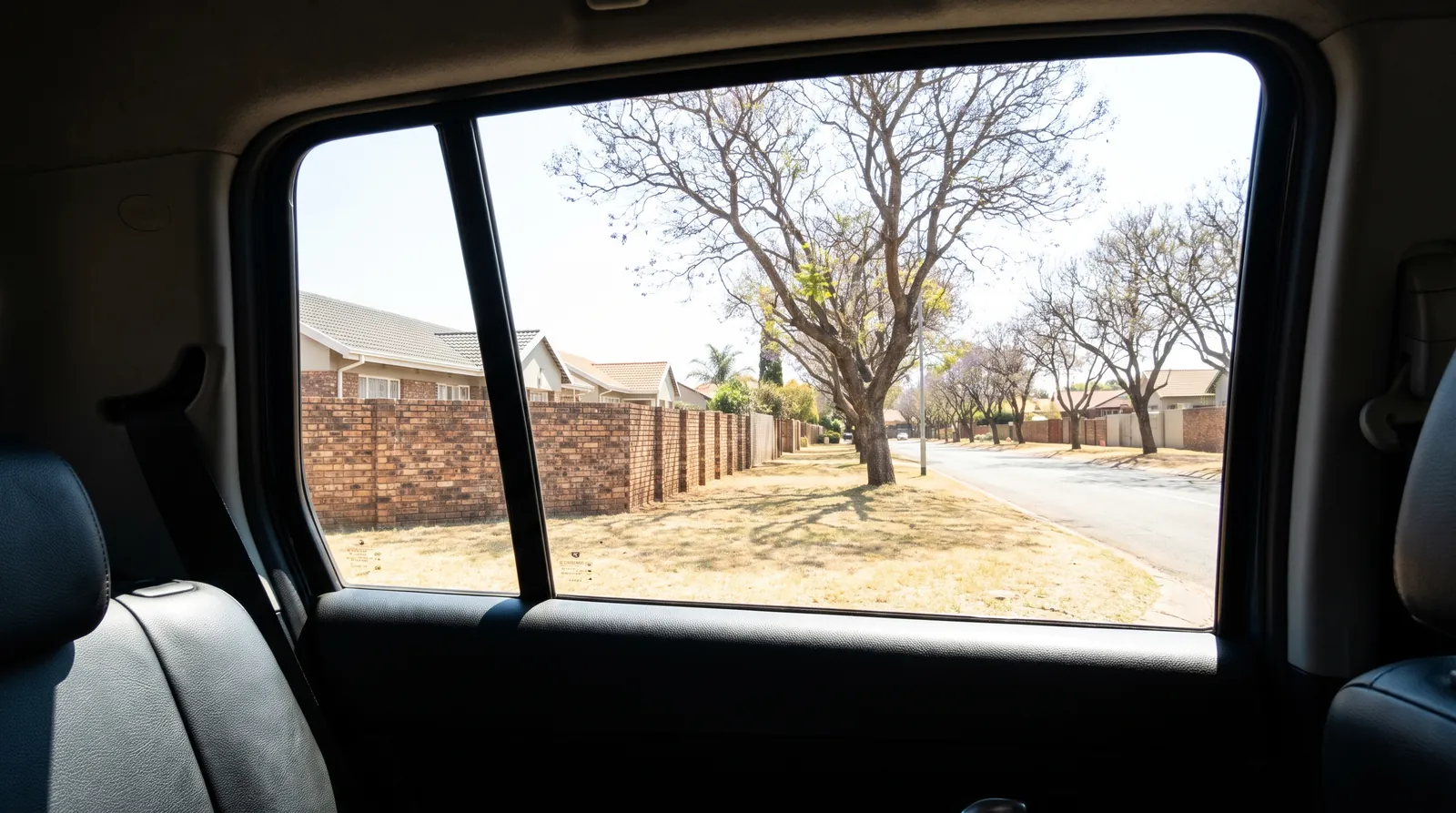
This is the view out of your side glass at each shade. Drag it, and watch where the South African legal limits fall — most people are surprised how light road-legal actually is, and how little heat they give up to stay inside it.
At this shade
Side & rear limit
The legal floor for side and rear glass.
Road legality
We fit to the legal limit and will not fit past it. An illegal shade is a failed roadworthy and an argument with your insurer you do not want to have.
Why darker is not the answer
Nano-ceramic film rejects heat in the infrared band rather than by being dark, so a road-legal shade already does most of the work. Dyed film has to go near-black to get close, and still fades.
No metal in the film, so GPS, mobile signal, keyless entry and tyre-pressure sensors are unaffected.
A visual guide, not a legal document or a specification sheet. Shade appearance varies with your glass, and heat-rejection figures are indicative — ask us for the actual performance data on the XPEL film specified for your vehicle.
Included in this discipline
Nano-ceramic film that rejects heat and UV without blocking your signal.
Window Film & Security
Clear structural film that holds glass together under impact.
Window Film & Security
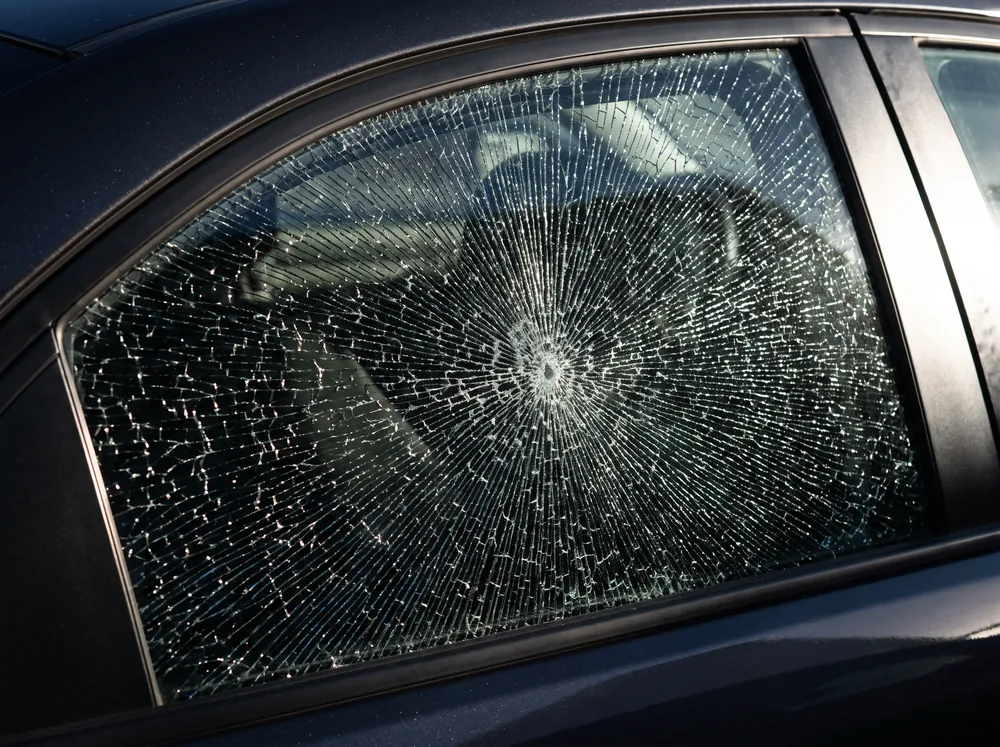
Safety film sized for South African roads and the way glass gets attacked here.
Window Film & Security
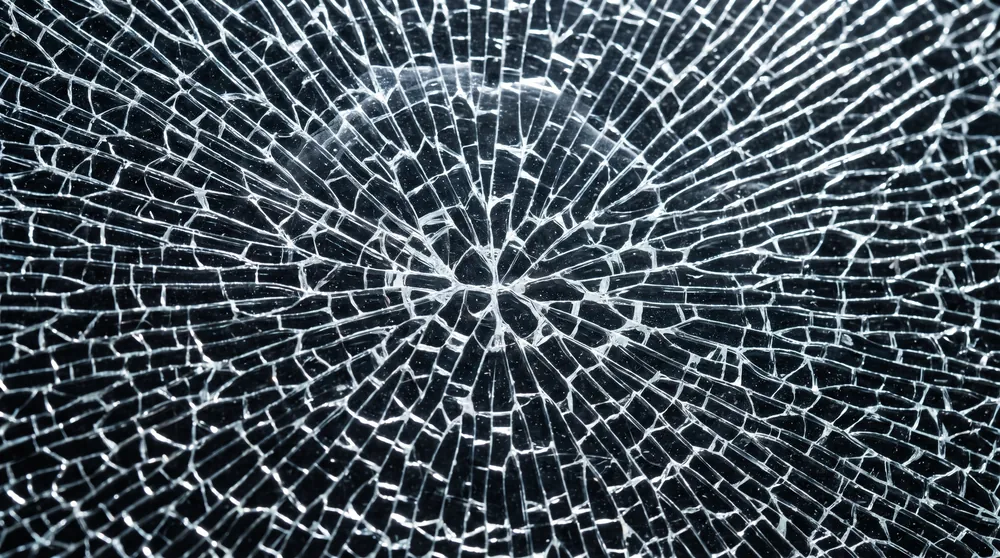
Shatter-retention film for vehicle, home and office glazing.
Window Film & Security
Questions
The specifics people ask about this discipline in particular. The general questions live on the FAQ page.
South African regulations set minimum light transmission levels — broadly 70% for the windscreen and 35% for the side and rear glass — so a road-legal tint is lighter than many people expect. This is exactly where nano-ceramic film earns its cost: it rejects far more heat at a legal shade than a dark dyed film does. We fit to the legal limit and will not fit past it.
Not with ceramic film. Older metallised films used a reflective metal layer that genuinely degraded GPS, radio, mobile and keyless entry performance. XPEL nano-ceramic film contains no metal, so heat rejection comes from the ceramic particles rather than a signal-blocking layer.
It works by buying time and making noise, not by being unbreakable, and we will not claim otherwise. A struck window bonded to safety film flexes and holds together rather than collapsing into the cabin, so a grab takes several loud attempts instead of one quiet one. That is the deterrent, and it is a real one.
Yes. The same categories apply: solar film to cut heat load and fade on furniture and flooring, and safety film for glass-retention on doors, shopfronts and large panes. Residential and commercial glazing is quoted per square metre after a site measure.
Leave them up for two to three days while the adhesive cures and the residual moisture clears. You may see slight haze or small water pockets during that period — that is normal and it disappears as it dries. We give you the exact window at handover.
the workshop is in Beyers Park
roughly fifteen minutes east on the N12
about twenty minutes via the R23 or N17
roughly twenty minutes down the R21
about twenty-five minutes via the R24 or N12
roughly twenty-five minutes on the N12
about twenty minutes on the N12
Get a number
Tell us the make, model and year, how the car is used, and what you want it to still look like in five years. We will come back with coverage, a warranty term and a price — not a package.
76 North Road · Beyers Park, Boksburg · Gauteng, 1459